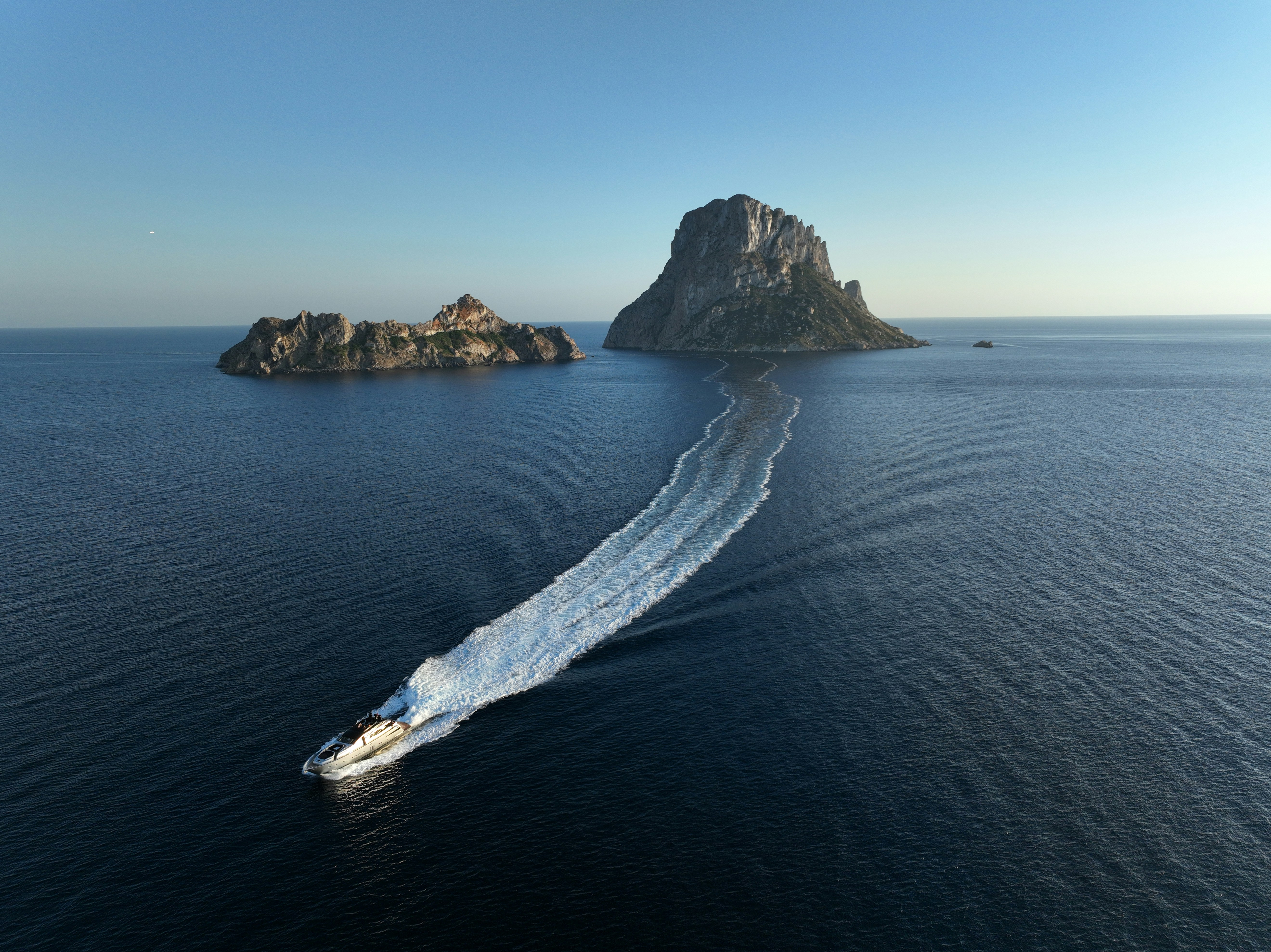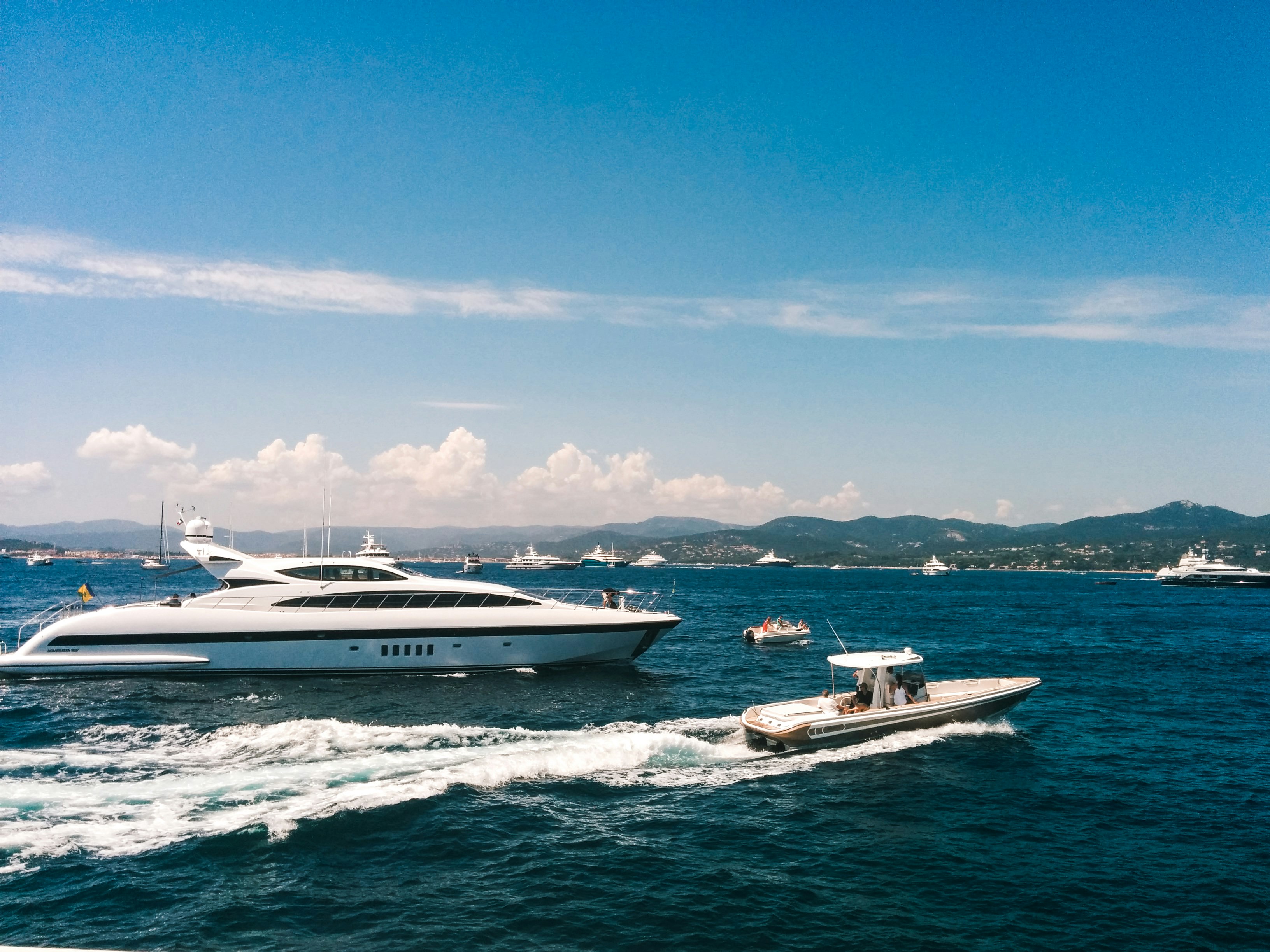
Formentera is forty minutes by boat from Ibiza Town. This geographical detail — often mentioned, rarely taken seriously — completely changes the way one should think about these two destinations. They are not in competition. They are complementary, and the travellers who understand this spend the best weeks in the Mediterranean.
Ibiza has a city. A real city, with gastronomic restaurants, galleries, markets, clubs, a nightlife that is one of the most important in Europe. Ibiza has a developed and diverse tourist infrastructure — from the upscale beach club to the hippie market, from the isolated finca to the contemporary villa with sea views.
Ibiza also has history. The walls of Eivissa, listed as UNESCO World Heritage. The Sa Penya district with its steep alleyways. The markets of Las Dalias and Santa Gertrudis that have existed for decades and continue to function outside the tourist season.

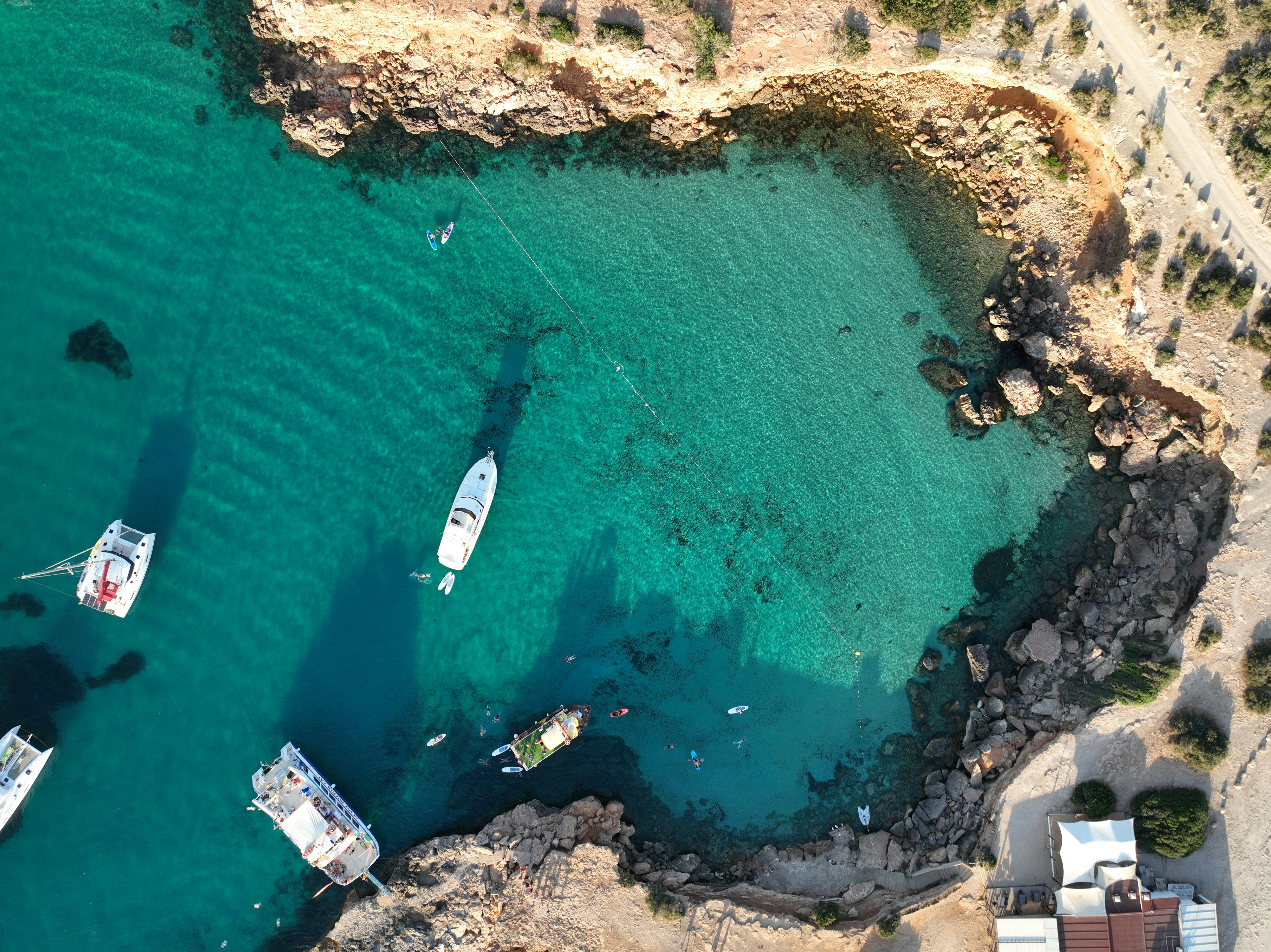
Formentera has what Ibiza used to have. A silence that begins at noon, when the heat settles and everyone retreats to the beachside restaurants or the villas. Beaches — Ses Illetes, Levant, Migjorn — whose water has a transparency that rivals the Caribbean and that geographers have measured: up to fifty metres of visibility in calm weather.
The question is not which of the two. The question is in what order.
One week in Ibiza, one week in Formentera. Or a base in Ibiza with two or three days in Formentera — the first ferry leaves early in the morning and the last returns late in the evening. Start with Ibiza. Explore the north, spend an evening in the city, go to Ses Salines. Then take the ferry to Formentera one morning and stay until sunset from the beach at Ses Illetes — the light there is different from anywhere else, more horizontal, longer, more golden.